
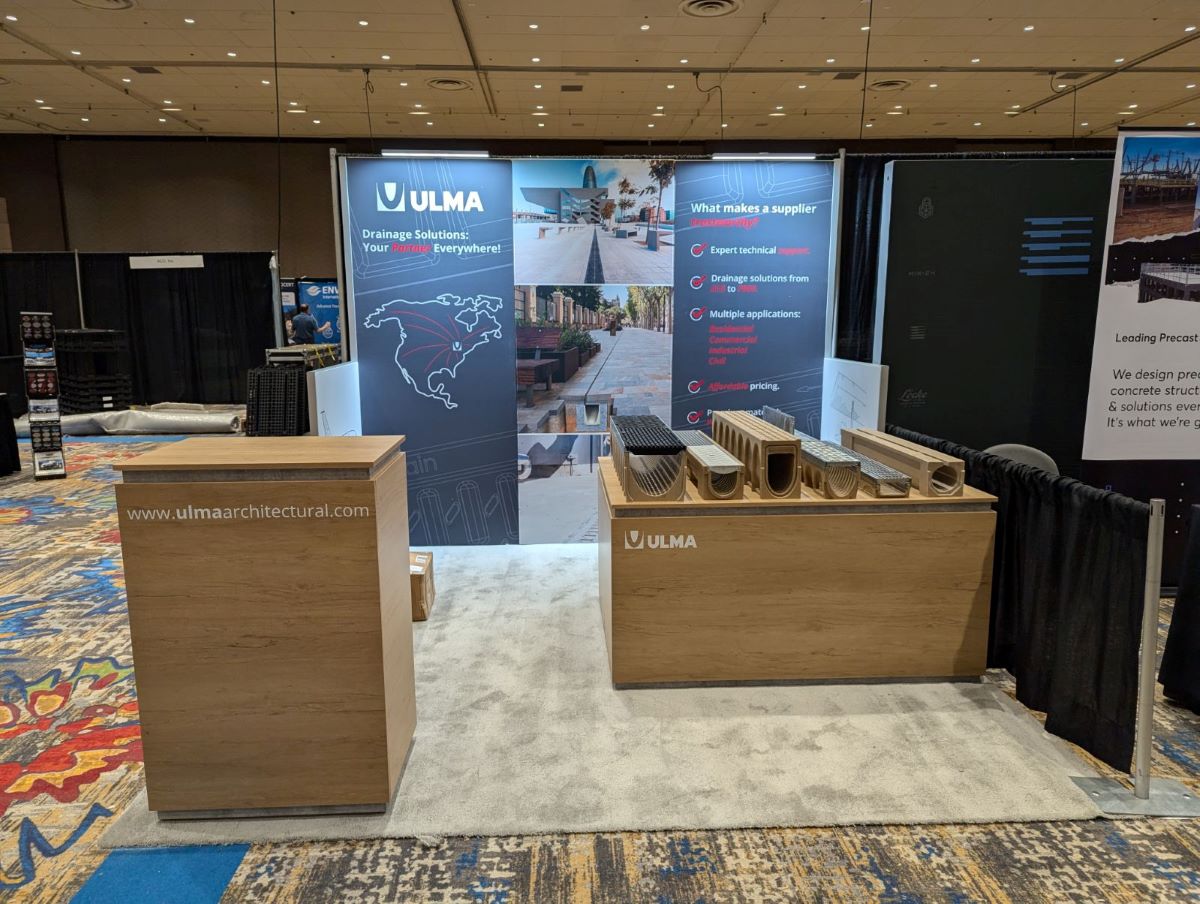
Exhibiting at multiple trade shows throughout the year places pressure on both budgets and design resources. Many organizations want to increase their on-site presence while keeping logistical and fabrication costs under control. As a result, multi-show exhibit strategies focused on reusing key booth components across multiple events have become increasingly important.
The challenge is finding the right balance: maintaining a coherent, recognizable brand while adapting to different floor plans, audiences, and objectives. This article explores practical approaches that allow companies to extend the lifespan of their booth investments while still delivering an engaging, custom experience at every show.
1. Why multi-show strategies matter
Rising costs and constrained budgets
Material prices, transportation fees, and storage costs have all increased in recent years. Many exhibitors now participate in more shows with smaller budgets per event. A multi-show strategy allows organizations to amortize fabrication costs over a longer period.
Pressure to maintain brand consistency
Companies operating across several markets often need to ensure their visual identity and key messaging remain unified across regions and event types. Reusable, modular elements help maintain consistency regardless of the venue.
Sustainability considerations
Reusing structural components, lighting systems, signage, and flooring reduces waste and supports sustainable fabrication practices. This approach aligns with increasing attendee and exhibitor expectations for environmentally responsible event practices.
2. Understanding what can, and should, be reused
Not all components are equally suited for reuse. Identifying the right elements early in the design phase can help maximize return on investment.
Structural frames and architectural elements
Aluminum frames, modular walls, arches, towers, and hanging structures can be designed to serve multiple configurations. These elements typically have long lifespans and can be adapted to various booth sizes.
Lighting systems
LED lighting, track systems, and branded lightboxes can be redeployed across events with minimal modification. Lighting contributes significantly to a booth’s impact, making reusable systems a cost-effective choice.
Storage and functional furniture
Counters, storage units, and reception desks are practical components that can be adapted to multiple contexts. If they are built in neutral finishes, they can easily integrate into different designs.
Reusable graphics
Fabric graphics, magnetic panels, and digital screens allow exhibitors to update messaging without modifying the entire structure. A multi-show strategy often pairs a consistent base structure with event-specific visuals.
3. Designing with modularity from the start
A multi-show approach requires intentional design. Planning for reuse should happen during the early concept stage, not after fabrication.
Flexible floor plans
Designing with adaptable layouts, such as converting a 10 × 20 booth into a 20 × 20, or splitting components for multiple smaller shows, allows organizations to adjust their presence depending on the event’s scale.
Interchangeable components
Panels, accessories, and lighting fixtures can be designed with universal attachment systems, making it easier to switch configurations quickly without specialized tools.
Neutral structural elements paired with customizable accents
Choosing neutral textures, colors, and finishes for permanent components ensures they remain versatile. Event-specific features, such as printed fabrics or digital content, can be added as needed.
Pre-planned “kits” for different events
Some exhibitors benefit from standardized kits that can be assembled in various combinations. For example:
- a core structure used for all shows
- add-on elements for major events
- lightweight versions for regional shows.
This approach simplifies planning and reduces the need for last-minute design adjustments.
4. Tailoring creative elements for each show
Reusing structural components does not mean producing identical experiences at every event. Creativity can be expressed through targeted updates that reflect each show’s audience, objectives, or product focus.
Event-specific graphics and messaging
Fabric banners, SEG graphics, and magnetic panels allow exhibitors to update their messaging for each event quickly. These lightweight options also minimize transportation costs.
Digital content updates
Screens can display promotional videos, product demonstrations, or presentations tailored to each audience. Updating digital content is an efficient way to differentiate show experiences without altering the booth’s architecture.
Product and furniture swaps
Rotating product displays or changing furniture arrangements can create a distinct look, even when the underlying structure remains the same. This is especially effective for brands with diverse product lines.
Lighting adjustments
Color temperature, spotlight placement, or dynamic lighting effects can significantly shift the atmosphere, helping each show feel unique.
5. Logistics that support reuse
A multi-show strategy depends on precise planning around storage, transportation, and maintenance.
Centralized storage
Keeping all booth components in a single storage location simplifies inventory management. Organized labeling, protective packing, and digital inventory records help ensure components remain usable over time.
Maintenance between events
Components should be inspected after every show to identify damage or wear. Routine cleaning, repairs, and repainting extend the lifespan of structures and graphics.
Standardized packing systems
Reusable cases and crates (often custom-built) protect components and streamline loading processes. Consistent packing layouts also minimize setup time on show floors.
Efficient transportation planning
A multi-show calendar allows exhibitors to choose optimized shipping routes or consolidate shipments when participating in consecutive events. This reduces costs and planning time.
6. Budgeting for multi-show reuse
A multi-show strategy requires upfront investment but can lead to significant savings over time.
Initial fabrication costs vs. long-term savings
Reusable structural components may be more expensive initially, but lower annual fabrication costs often offset the initial cost. Exhibitors who attend four to six shows per year typically see the most significant benefits.
Prioritizing high-impact elements
Lighting, framing systems, and digital screens often offer the best long-term value. Investing in these areas can improve both the booth’s appearance and its reusability.
Planning for graphic refresh cycles
Event-specific graphics should be budgeted for separately. Many organizations choose annual refresh cycles to keep designs current while maximizing the lifespan of structural elements.
Lifecycle budgeting
Tracking the lifespan of key components helps determine when replacements or upgrades will be needed. This ensures smoother planning for future design cycles.
7. Creative examples of multi-show strategies
While each exhibitor’s needs differ, several common patterns have emerged across industries:
Kit-based booths for regional and national presence
Companies with broad event portfolios often deploy a smaller booth kit for regional shows and a larger expansion kit for international or flagship events. Both rely on shared components.
Reconfigurable centers and focal points
Some brands use a central tower or feature wall across multiple shows, adapting the surrounding elements depending on space constraints.
Digital-first approaches
Brands that regularly update products or campaigns often integrate multiple screens into a neutral structural environment. This allows rapid content changes without modifying the booth’s architecture.
8. When multi-show reuse is not the right strategy
There are scenarios where a single-use or bespoke booth may be more appropriate.
Launching a new product line
Major product launches often require unique designs to support marketing objectives.
Large flagship events
Some exhibitors prioritize more substantial visual impact or immersive design for high-visibility events. In these cases, reuse may not meet strategic goals.
Industry-specific requirements
Certain technical sectors (e.g., aerospace, biotech) may need specialized demonstration areas that are not easily adaptable across shows.
A hybrid approach, where core components are reused and specific areas are customized, can still provide value in these cases.
In conclusion
Multi-show strategies allow exhibitors to extend the lifespan of their booth investments while maintaining a strong brand presence across multiple events.
By combining modular design, adaptable creative elements, and efficient logistics, organizations can reduce costs without compromising the visitor experience. As budgets become tighter and sustainability expectations continue to rise, multi-show planning is likely to remain a central part of exhibit strategy in the years ahead.
Author: Veronique Colombani